When Should You Seal Pavers After Professional Cleaning?
The standard guideline for sealing pavers after professional pressure cleaning is to wait between 24 and 48 hours. However, for property owners on the Gold Coast, timing is rarely just about watching the clock. Our subtropical climate, ambient humidity, and proximity to the ocean all play substantial roles in determining the precise moment your paved areas are truly ready for sealer application.
Applying a sealer too early can trap residual moisture https://goldcoastpressurecleaningexperts.com.au/mould-removal/ deep within the substrate, leading to a cloudy, milky finish known as moisture haze or efflorescence. To protect your investment and ensure long-lasting results, understanding the variables behind this drying window is essential.
Key Factors Influencing the Waiting Period on the Gold Coast
While modern breathable sealers developed for 2026 standards offer better vapour transmission than older formulations, substrate dryness remains non-negotiable. Several regional factors impact how long you need to wait after high-pressure washing:
- Porosity of the Paver Material: Natural Gold Coast favourites like porous sandstone and unfilled travertine hold water far longer than dense clay bricks or wet-cast concrete pavers. Sandstone may require a full 48 to 72 hours of dry weather before sealing.
- Joint Depth and Sand Saturation: Pressure cleaning flushes out dirt, weeds, and old jointing sand. The bedding layer beneath absorbs significant amounts of water during this process and must be completely dry before re-sanding and sealing.
- Microclimates and Sun Exposure: A north-facing driveway in Robina will dry much faster than a shaded, south-facing poolside patio nestled under palm trees in Currumbin.
- Humidity and Salt-Air Moisture: High relative humidity slows natural evaporation. Even on warm days, coastal moisture can keep stone damp below the visible surface.
How to Tell If Your Pavers Are Ready
Visual inspection alone can be deceiving, as pavers often appear dry on the surface within hours while retaining moisture deep inside. Professional surface restoration specialists often rely on digital moisture meters to ensure the moisture level is below safe thresholds (typically under 12% to 15% depending on the sealer base).
You can also perform a simple test: tape a 30cm square of clear plastic wrap flat against the pavers using painter's tape, sealing all four edges. Leave it for two to three hours in direct sunlight. If condensation droplets form on the underside of the plastic, or if the stone beneath darkens, the pavers still contain trapped water and require further drying time.

Seasonal Timing: Navigating Gold Coast Weather
Planning your cleaning and sealing project around local weather patterns yields the best outcome. The drier, cooler months between May and October provide ideal conditions, with lower humidity and minimal rainfall risks. During the humid summer storm season, unpredictable afternoon downpours can ruin wet sealer, making professional scheduling and accurate multi-day forecasts vital.
The Step-by-Step Sequence for Success
Achieving a durable, showroom finish requires adhering to a structured restoration process:
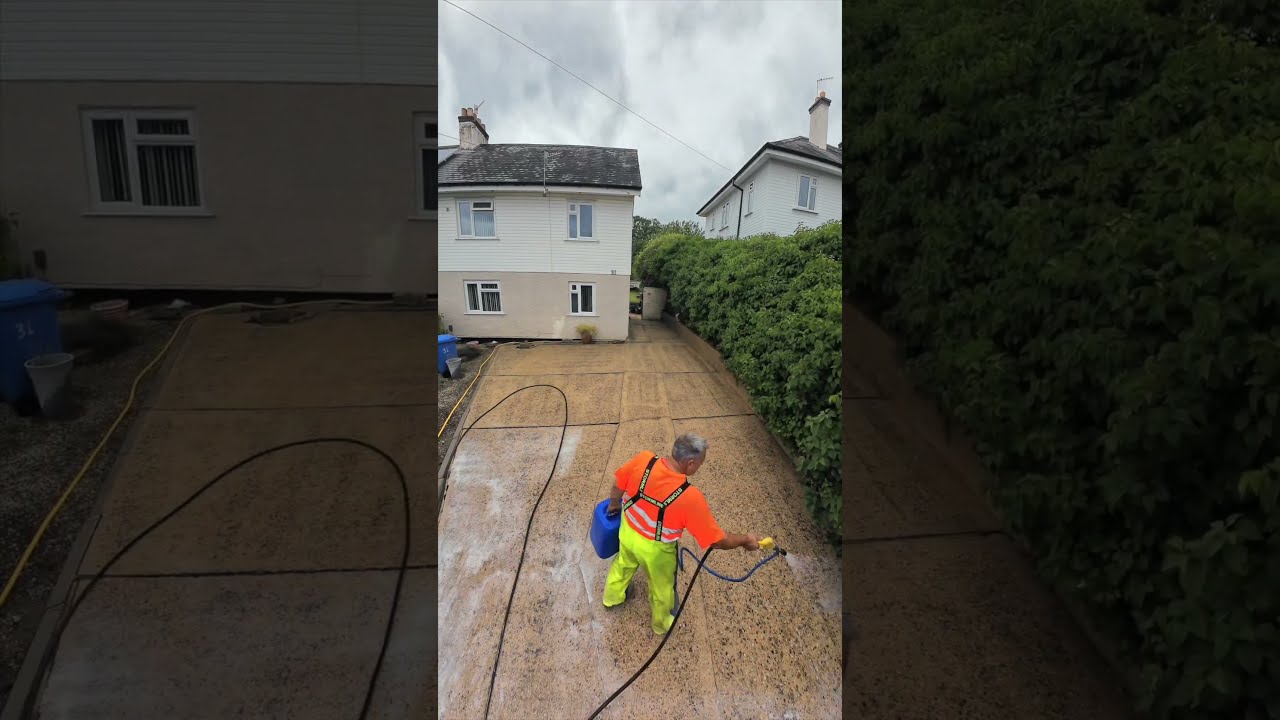
- Deep Cleaning: Commercial hot-water pressure cleaning removes ingrained dirt, algae, lichen, and tire marks.
- Evaporation Period: The area is left undisturbed for 24 to 48 hours of clear, dry weather.
- Re-Sanding Joints: Kiln-dried silica sand or polymeric sand is swept into the joints once the area is completely dry.
- Sealer Application: A high-grade penetrating or topical sealer is evenly applied during stable temperatures (ideally between 15°C and 28°C) to prevent flash-drying or blistering.
Taking the extra day to ensure complete dryness prevents costly stripping and reapplication, leaving your Gold Coast driveway, patio, or pool surround shielded against salt spray, UV fading, and persistent coastal mould for years to come.
Gold Coast Pressure Cleaning Experts
Factory 2/60 Newheath Dr, Arundel QLD 4214
(07) 5240 9985